
King Indra Destroyed Buddhism of Kassapa Buddha in Indus Civilization:
Posted in Buddhism and Human Rights, Buddhism and Sustainable Development, Buddhism towards Nature and Animals, Contemporary Buddhism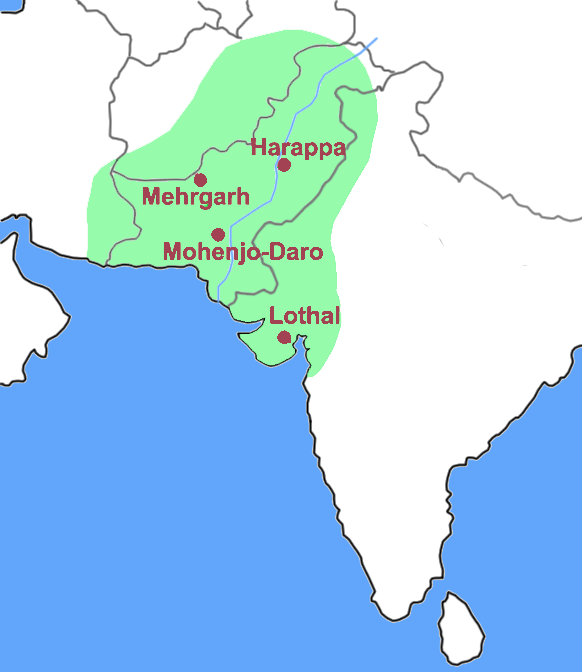 |
| Indus Velly Civilization |
(a) Vedic King Indra and his army officers were into
wine and women at the highest level. They were involved in bribe, womanizing,
torture brutality beyond belief. To destroy Buddhism in Mohenjodaro and Harappa
Vedic king Indra and his Army used their excessive use of force and fire power
in Sind and Punjab. (b) Senseless wanton arson killings in the countryside
during the course of the “Sweeping operations” following King Indra’s military
action. (c) Killing of Buddhist monks, priests, nuns, intellectuals and
professionals like doctors, engineers, etc. and burying them in mass graves.
(d) Raping of a large number of Mohenjodaro and Harappa women by the King
Indra, his officers and man of the army as a deliberate act of revenge,
retaliation and torture. (e) Deliberate killing of members of the Buddhist
community and Vedic ruler was established the caste –system.
Settlement of the Indo-Aryans:
 |
| indo-Ariyan |
Gautama Buddha is the father of Indian languages and
civilization. India emphasizes her mother India abiding Lord Buddha’s teaching
and Great Emperor Asoka’s Buddhist heritage. The wheel in the centre of the Indian national flag is the wheel of the
Law of the Buddha’s Teaching – the Dharma, and the state emblem of India is an
adaptation of the famous Lion Capital was erected by the Great Emperor Asoka
at Saranath, where the Buddha –Enlightened One first delivered his teaching of
compassion and wisdom to the Gautam Buddha is not the enemy of Hindu society
and now Hindu politicians use the Buddha as the Hindus’ trade mark.


 Posts
Posts


